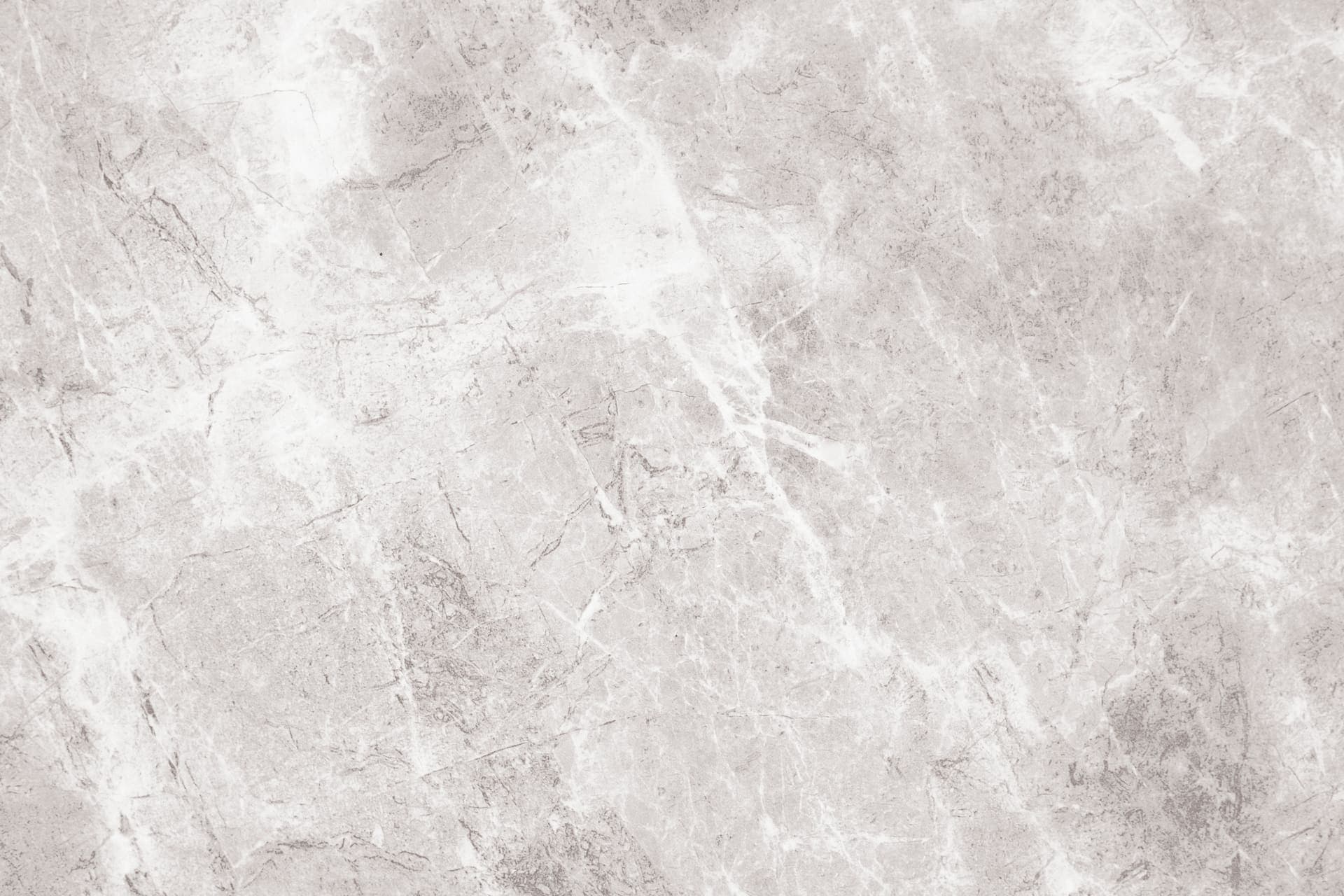
The Aesthetic Role of Marble and Travertine in Architecture
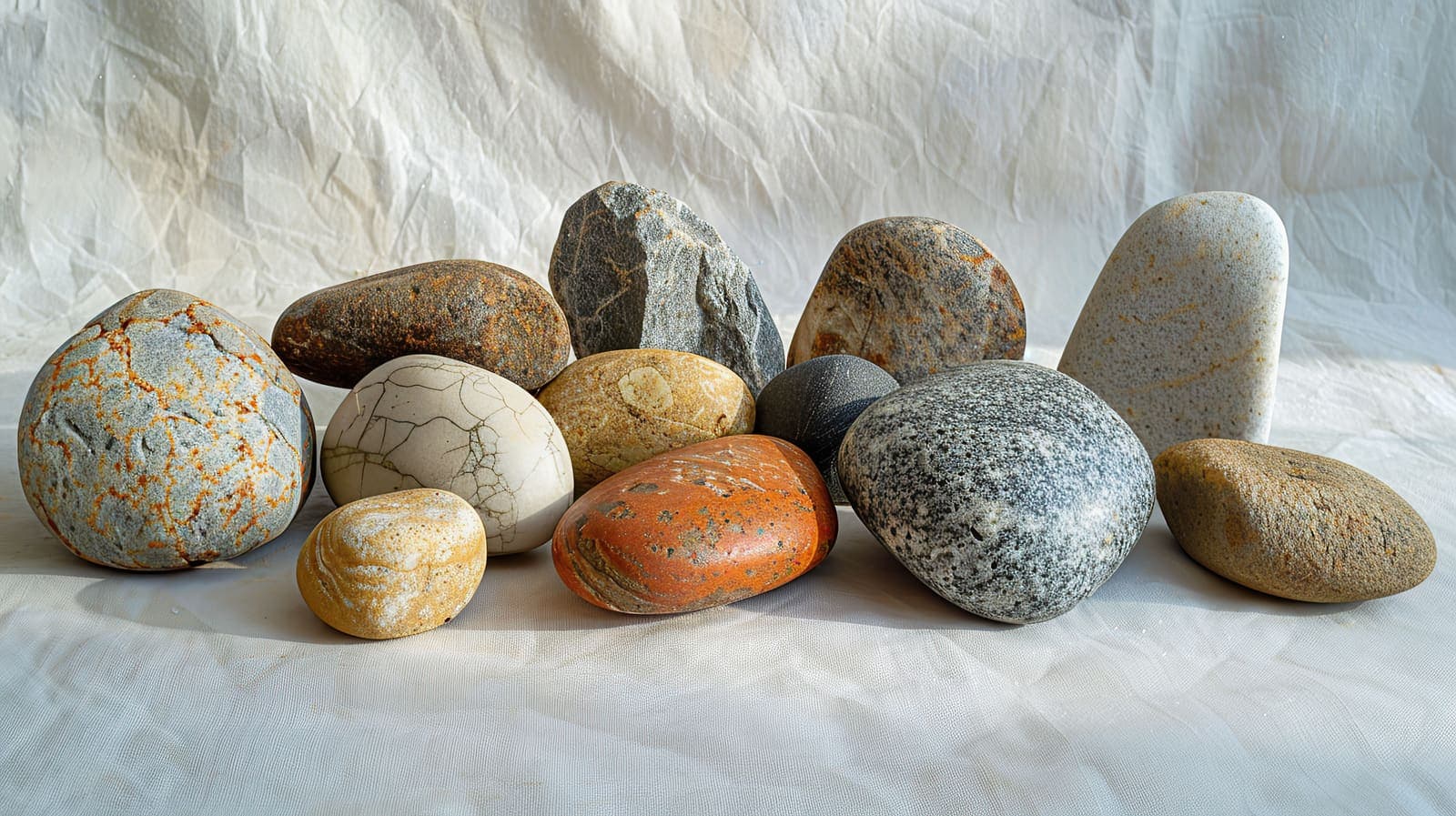
Throughout the history of architecture, marble and travertine have been among the most widely used natural stones. Their influence can be seen in Roman buildings, Ottoman palaces and contemporary architecture alike, because they combine an elegant appearance with the durability to last for generations. Polished marble lends a space a sense of luxury, while travertine's open texture creates a warm, natural feel.
One of marble's great strengths is its range of colours and patterns. The purity of white marble, the strong presence of black and the modern look of grey tones offer an option for almost any design. Travertine, with its rustic, natural character, stands out outdoors, in gardens and in designs that recall historic settings. Marble is typically chosen for interior floors and countertops, while travertine is common on façades and in wet areas.
Beyond their looks, both stones are highly versatile. Marble can be used around fireplaces, and suitably finished travertine offers a safer, less slippery surface around pools. Today they appear in every style, from minimalist to classic, bringing a timeless elegance to any building.
What is the difference between marble and travertine?
Marble is a metamorphic rock formed when limestone recrystallises under high heat and pressure. Its crystalline structure allows it to take a mirror-like polish. Travertine is a sedimentary stone formed as calcium carbonate precipitates from mineral springs in layers; the natural voids in its structure give it its characteristic look. The Denizli region is one of Türkiye's best-known sources of travertine.
Both stones have a Mohs hardness of around 3, so they scratch more easily than granite, and acidic substances such as lemon juice, vinegar and limescale removers can dull and mark the surface.
How does the surface finish change the look?
The same stone can take on a completely different character depending on its finish. The most common options in architectural projects are:
- Polished: a glossy surface with deep colour, suited to wall cladding, countertops and low-traffic floors; it can be slippery when wet.
- Honed (matt): a smooth, non-reflective surface that shows fewer scratches and is often preferred for floors.
- Brushed and tumbled: a textured surface with softened edges that gives travertine in particular a rustic, slip-resistant finish.
- Filled or unfilled travertine: indoors, the pores are usually filled with resin or cement-based filler; outdoors, it can be left unfilled for a natural look.
Which stone suits which space?
Marble shines in entrance halls, lobbies, bathroom walls, fireplace surrounds and decorative surfaces. For kitchen countertops, a honed finish and regular impregnating sealer are recommended.
Travertine is a warm, natural choice for façades, terraces, pool surrounds and garden paths. For outdoor use, always check the stone's frost resistance and water absorption, which are measured using standard tests such as EN 12371 and EN 13755.
How are marble and travertine installed?
Installation quality matters as much as the stone itself. For interior floors, slabs are laid on a flat, clean screed with an adhesive suited to the stone; white adhesive is used under light-coloured marble to stop it showing through. Joints between slabs absorb small movements in the floor and are filled with suitable grout.
On walls and façades, small formats are bonded with adhesive, while large, heavy slabs are fixed with stainless-steel mechanical anchors sized to the stone's flexural strength. Once installation is complete, the surface is cleaned, allowed to dry and treated with an impregnating sealer, a final step that greatly reduces the risk of staining from day one.
How to choose colour and veining
In marble and travertine, colour and veining shape the whole atmosphere of a space. White and cream tones feel open and bright; grey and black bring a modern, confident character. Strongly veined stones create an impressive flow across large surfaces, while calmer patterns let furniture and accessories take centre stage. Seeing a full-size slab rather than a single small sample is the most reliable way to understand a stone's true character.
Frequently Asked Questions
Is marble or travertine more durable?
Their hardness is similar. What really determines durability is the stone's density, water absorption, finish and suitability for the application. Both can last for decades when chosen and maintained correctly.
Can travertine be used outdoors?
Yes. Travertine is widely used on façades, terraces and around pools. In areas with frost, choose slabs cut from blocks with low water absorption and proven frost resistance.
Can acid etching on marble be removed?
Dull marks caused by acid do not fade on their own; they are removed by professional honing and re-polishing. To prevent them, wipe up acidic spills immediately.
Can marble and travertine be used together?
Yes. Polished marble indoors with tumbled travertine on an adjoining terrace, for example, creates a natural, coherent transition when the colours are chosen to complement each other.