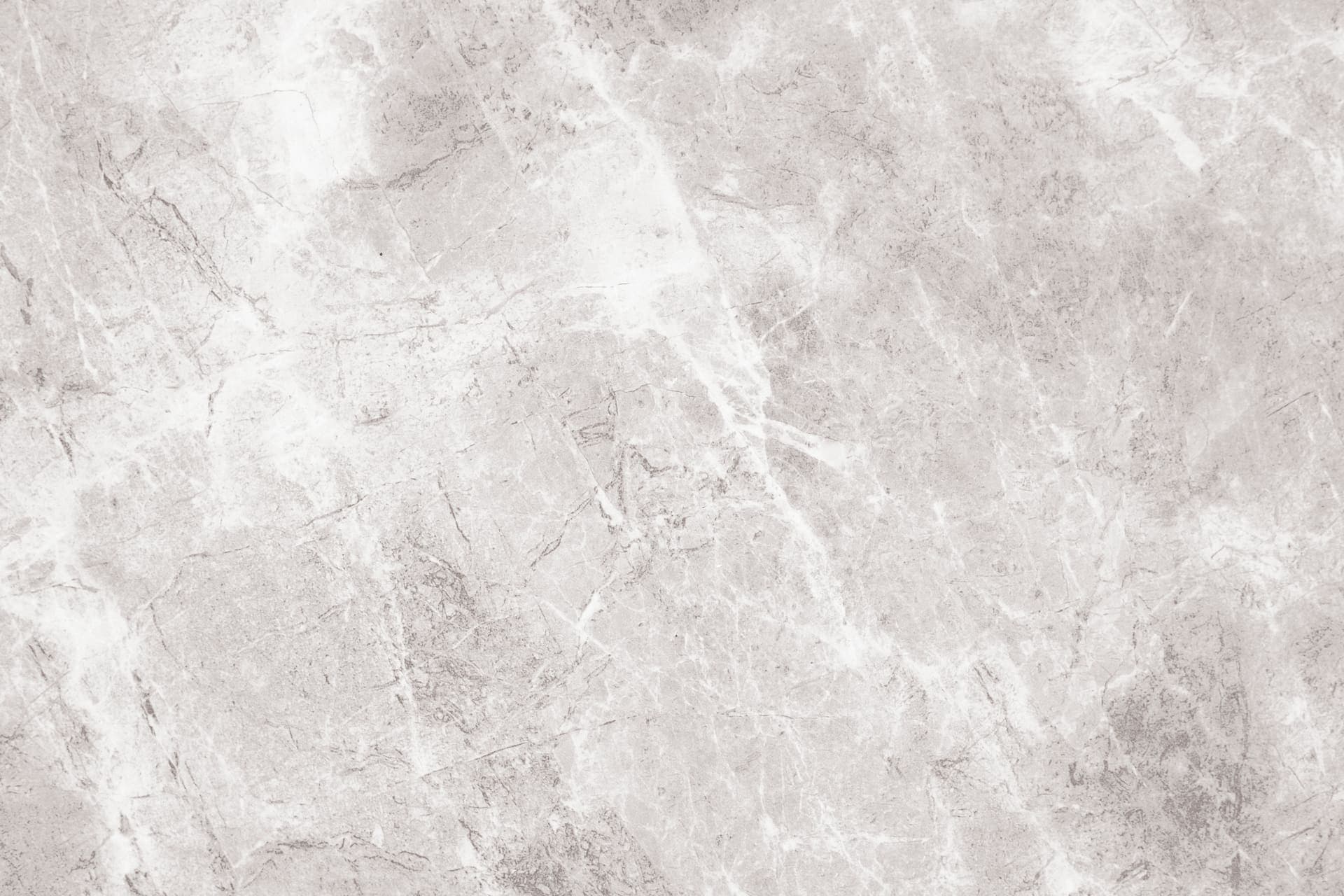
Antique Stone Finishes: The Character of the Past, Today
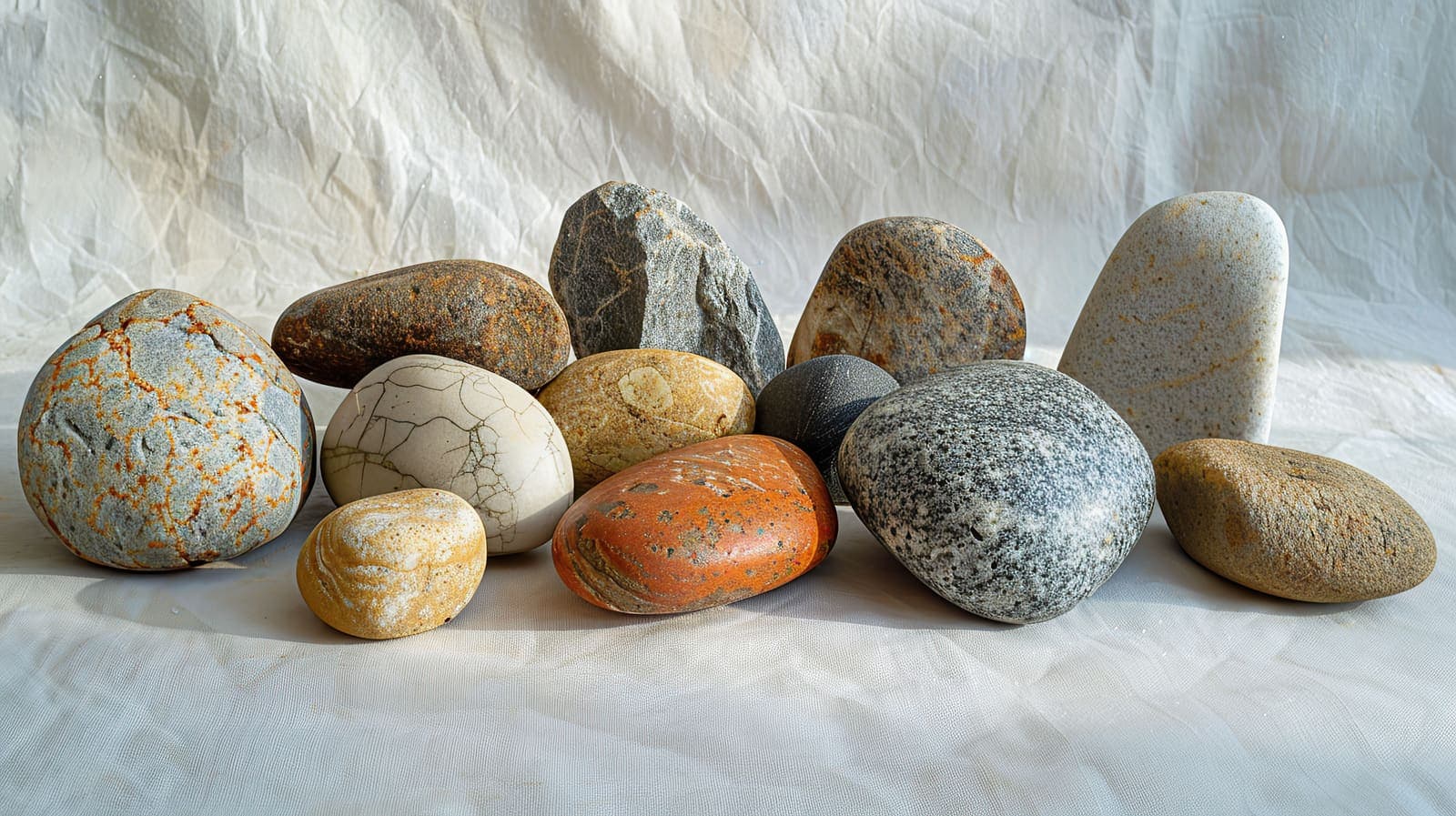
Antique stone textures carry the character of the past into today's spaces. These surface treatments give natural stone a historic look and a sense of nostalgia, and aged marble, travertine and limestone are especially popular in rustic and classic designs.
The aim of an antique finish is to remove the 'new' look of the stone so it appears worn by time: softened edges, small pits and natural irregularities make it look as if it had come from a centuries-old building. These textures are widely used in country-style villas, restaurants and characterful venues.
In modern architecture, antique textures serve a different purpose. Paired with clean, minimal lines, they add warmth and character, and the contrast between old and new creates a distinctive atmosphere that designers often use alongside contemporary furniture.
How is an antique look achieved?
Different techniques create different textures:
- Tumbling: small pieces are rotated in a drum with abrasives, rounding the edges and giving a soft, aged surface.
- Brushing: stiff brushes remove the softer parts of the surface, leaving a gently undulating, tactile finish.
- Sandblasting: pressurised abrasive creates a matt, rough surface.
- Bush-hammering: a multi-pointed hammer gives the surface a pronounced, pitted texture.
Where are antique stone finishes used?
Tumbled travertine and marble add both beauty and slip resistance to courtyards, terraces, pool surrounds and garden paths. Indoors, they create warmth around fireplaces, in wine cellars, restaurants and rustic homes.
Similar finishes are also used in restoration projects to match new stone to historic fabric.
How can antique textures work in modern spaces?
In a minimalist interior, a single textured surface, such as a feature wall or floor, adds depth and warmth. The contrast between aged stone and clean-lined furniture feels contemporary and full of character.
Textured surfaces can hold more dust and dirt, so sealing and regular damp cleaning are recommended.
The Opus Romano (Versailles) pattern
One of the best-known uses of antique-finish travertine is the Opus Romano pattern, often called the Versailles pattern, in which slabs of different sizes are laid in a set repeating arrangement. It creates a composition that looks irregular, like historic stone paving, but is in fact carefully planned.
The Versailles pattern usually combines four different sizes, repeated as a set across the floor. With a tumbled surface and rounded edges, it gives courtyards, terraces and pool surrounds a result that is both beautiful and slip-resistant. Dry-laying the pattern before installation reduces cutting waste and gives balanced edges.
Antique finishes and light
Nothing brings out the character of an antique finish like the angle of the light. Grazing light, placed close to a wall and skimming across its surface, picks out every hollow and ridge, creating deep shadows and a strong sense of texture. Lit straight on, the same surface looks far plainer.
Outdoors, the changing angle of the sun constantly alters the look of tumbled stone, with texture at its most pronounced in the morning and evening. Indoors, warm-white lighting enhances the warmth of cream-toned stones such as travertine and limestone, while cooler light gives grey stones a more modern feel.
Planned together with the stone, lighting can turn an antique-finish surface into the most talked-about detail in the room.
Choosing joints for tumbled stone
With antique-finish stone, the joints are an important part of the look. Wider, slightly textured joints create a rustic, traditional feel, while narrow joints matched to the stone give a calmer, more modern result. Grout close to the stone's main tone unifies the surface, whereas a contrasting colour emphasises the pattern and the different sizes. Outdoors, the jointing material must resist frost and water.
Frequently Asked Questions
Is tumbled stone slippery?
No. Tumbling and brushing add texture, so these finishes grip better when wet than polished surfaces.
Which stones can be given an antique finish?
Travertine, marble and limestone are the most common. Granite is usually flamed, sandblasted or brushed instead.
Is antique-finish stone hard to maintain?
Textured surfaces can hold more dirt. Sealing and regular cleaning with pH-neutral products keep maintenance simple.
What is Versailles pattern paving?
It is a layout in which natural stone slabs of different sizes are repeated in a set arrangement, recalling historic paving. It is especially common with tumbled travertine.
Can antique-finish stone be used indoors?
Yes. Tumbled travertine and marble bring warmth to fireplace surrounds, kitchen walls, wine cellars and rustic-style floors. Indoors, sealing and regular damp cleaning are recommended so that textured surfaces do not hold dust.